
Who owns the meter
Sam Altman says intelligence will be a utility, bought from his company on a meter. But a utility is a set of obligations, not a business model, and the history of water shows what the difference costs.

Sam Altman says intelligence will be a utility, bought from his company on a meter. But a utility is a set of obligations, not a business model, and the history of water shows what the difference costs.

A former White House AI adviser, now at OpenAI, predicts Washington's best move against Chinese models like Kimi K3: have federal agencies manufacture fear, "not that well justified". That is not AI safety. It is a rumour with a federal seal, and a ban that never has to answer for itself.
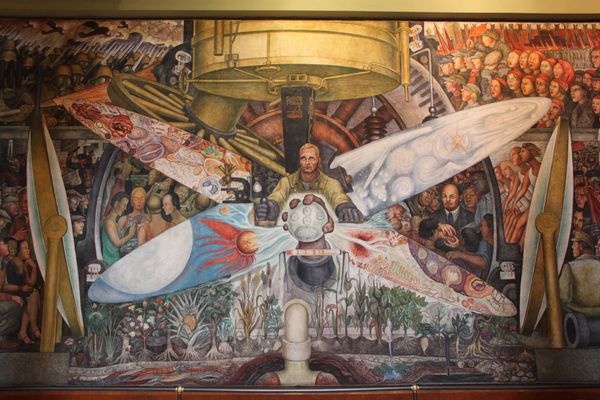
The debates about roles, prompting ownership, and who decides what are real. But they may be one layer above where the actual shift is happening.

Your model can produce French. That does not mean it learned to reason with French assumptions. This piece looks at English-dominant training, multilingual reasoning, and the question still missing from most sovereign AI debates.
Sam Altman says intelligence will be a utility, bought from his company on a meter. But a utility is a set of obligations, not a business model, and the history of water shows what the difference costs.
A former White House AI adviser, now at OpenAI, predicts Washington's best move against Chinese models like Kimi K3: have federal agencies manufacture fear, "not that well justified". That is not AI safety. It is a rumour with a federal seal, and a ban that never has to answer for itself.
The debates about roles, prompting ownership, and who decides what are real. But they may be one layer above where the actual shift is happening.

Sovereign AI is becoming infrastructure. But what do governments and organizations actually control? A layer-by-layer guide to what the claims miss
Your model can produce French. That does not mean it learned to reason with French assumptions. This piece looks at English-dominant training, multilingual reasoning, and the question still missing from most sovereign AI debates.

On language, cognition, and what we are encoding when we build AI in English.
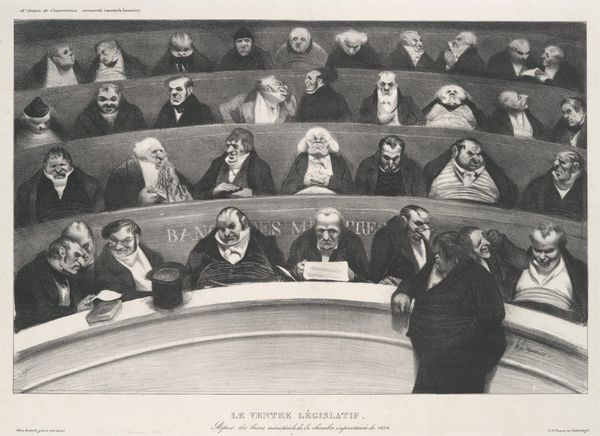
China's courts ruled that firing workers to replace them with AI is illegal. The EU spent months negotiating and landed on a ban on nudification. The US is preempting the states from trying to do anything at all.
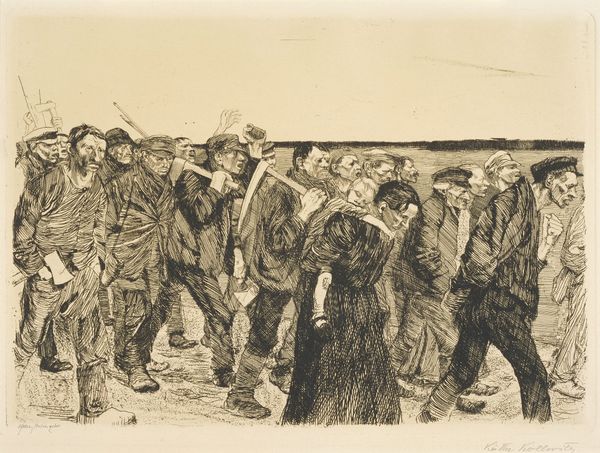
The AI conversation assumes everyone wants to become a builder. Most people do not. And the workers most exposed to disruption are the ones least represented in the rooms where AI strategy gets decided.
I was recently interviewed by Roberto V. Zicari for ODBMS Industry Watch, a publication I follow and respect for the seriousness of its conversations. The full interview is linked at the bottom. But a few things I said there are worth pulling out here, because they are things I keep
AI sovereignty does not stop at infrastructure. It shows up in product architecture: where inference runs, how data flows, whether models can be replaced, and how much of your product depends on someone else’s roadmap.
AI sovereignty is not a binary or a product. It is a question of control, dependency, and what organizations are willing to give away by default.
A reflection on what AI changes when building and shipping products becomes dramatically easier, and why speed does not replace product judgment.